









Windows 10 and Windows 11: A Complete Comparison


As technology continues to evolve, operating systems play a critical role in shaping the user experience on a computer. Microsoft, a leader in the software industry, has released several versions of Windows over the years. Windows 10, launched in 2015, became widely popular for its stability and usability. Recently, Windows 11 was introduced, promising a more modern interface, enhanced productivity features, and improved performance. This article compares both operating systems in terms of features, performance, usability, and gaming capabilities to help you decide which one suits your needs.
Overview of Windows 10
Windows 10 and Windows 11 was a major step forward, bringing together the best features of previous versions while introducing new functionality to improve productivity and user experience.
Key Features of Windows 10
- Cortana: Microsoft’s digital assistant for voice commands and tasks
- Microsoft Edge: A fast, secure, and modern web browser
- Virtual Desktops: Organize multiple desktops for better multitasking
- Start Menu: A redesigned menu combining traditional layout with live tiles for frequently used apps
Download more apps: click here…
User Interface and Usability
Windows 10 maintained a familiar interface for long-time Windows users, making it easy to transition from older versions. Its intuitive design made it accessible to both technical and non-technical users.
Performance and Stability
Through regular updates and security improvements, Windows 10 became a stable and reliable OS. Microsoft’s focus on patching bugs and enhancing security contributed to a smooth and safe computing experience.
Introducing Windows 11 and Windows 10
Windows 10 and Windows 11 builds on a fresh, modern design and enhanced productivity and gaming features.
Major Changes and Improvements
- Redesigned Start Menu: Centered and streamlined for a cleaner look
- Snap Layouts and Snap Groups: Enhanced window management for multitasking
- Microsoft Teams Integration: Built-in platform for communication and collaboration
- Improved Microsoft Store: Direct integration for better app management
User Interface
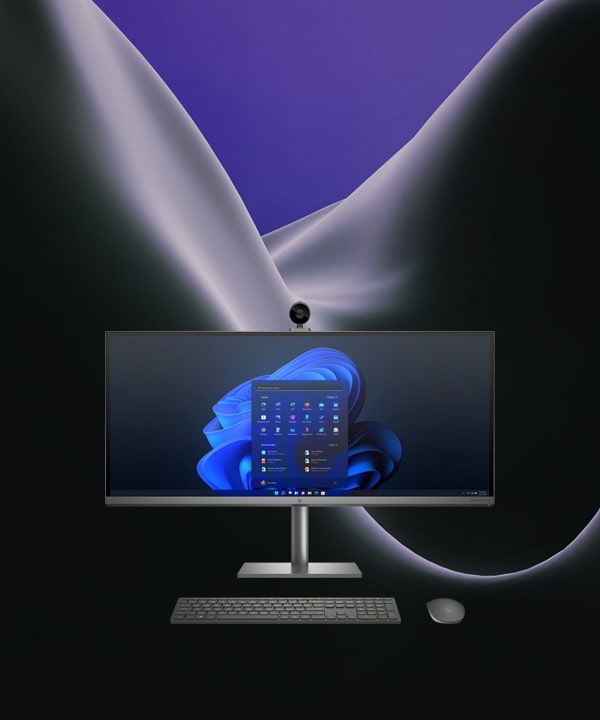
Windows 10 and Windows 11 offers a visually appealing interface with rounded corners, updated icons, and a cohesive design aimed at providing a smoother user experience.
Enhanced Gaming Experience
Windows 11 includes features like DirectX 12 Ultimate, Auto HDR, and DirectStorage, offering better graphics performance, faster load times, and a more immersive gaming experience.
Windows 10 and Windows 11: Detailed Comparison
System Requirements
- Windows 10: Supports a wide range of older and modern hardware
- Windows 11: Stricter requirements to ensure optimal performance, security, and compatibility with modern hardware
User Experience
- Windows 10: Familiar interface, easy for long-time users
- Windows 11: Redesigned UI, improved multitasking, and a more intuitive workflow
Productivity Features
- Windows 10: Virtual desktops, Action Center, and taskbar tools
- Windows 11: Builds on Windows 10 features with Snap Layouts, Snap Groups, and a more integrated Microsoft Store
Gaming Capabilities
- Windows 10: Solid gaming support for most titles
- Windows 11: Enhanced graphics, Auto HDR, DirectStorage, and DirectX 12 Ultimate for a superior gaming experience
Pros and Cons
Windows 10
Advantages:
- Familiar interface for long-time Windows users
- Broad software and hardware compatibility
- Regular updates and security patches
Disadvantages:
- Some older devices may struggle with updates
- Live Tiles Start Menu may not appeal to everyone
- Updates can sometimes temporarily affect performance
Windows 11
Advantages:
- Modern, visually appealing interface
- Enhanced multitasking with Snap Layouts and Groups
- Improved gaming and graphics capabilities
Disadvantages:
- Strict hardware requirements exclude older PCs
- Early bugs and software compatibility issues
- Users may need time to adapt to the redesigned Start Menu
Which One Should You Choose?
- Windows 10: Ideal if you have an older PC, prefer a familiar interface, or need broad hardware compatibility
- Windows 11: Best for users seeking a modern look, improved productivity features, and enhanced gaming capabilities
Your choice should depend on your device’s compatibility, personal preferences, and the features most important to your workflow.
Conclusion
Both Windows 10 and Windows 11 offer unique advantages. Windows 10 remains a reliable, well-supported OS for many users, while Windows 11 provides a more refined, modern experience with enhanced multitasking and gaming features. Carefully consider your hardware and desired features to select the operating system that best fits your needs.
FAQs
Can I upgrade from Windows 10 to Windows 11 for free?
Yes, Microsoft offers free upgrades for eligible Windows 10 devices. Check the official Microsoft website for eligibility details.
Will Windows 11 run on my older computer?
Windows 11 has stricter hardware requirements. Use the PC Health Check tool from Microsoft to confirm compatibility.
Is Windows 10 still supported after Windows 11’s release?
Yes, Windows 10 continues to receive security updates and support from Microsoft until its official end-of-support date.