









What will I lose from Windows 10 if I upgrade to Windows 11?

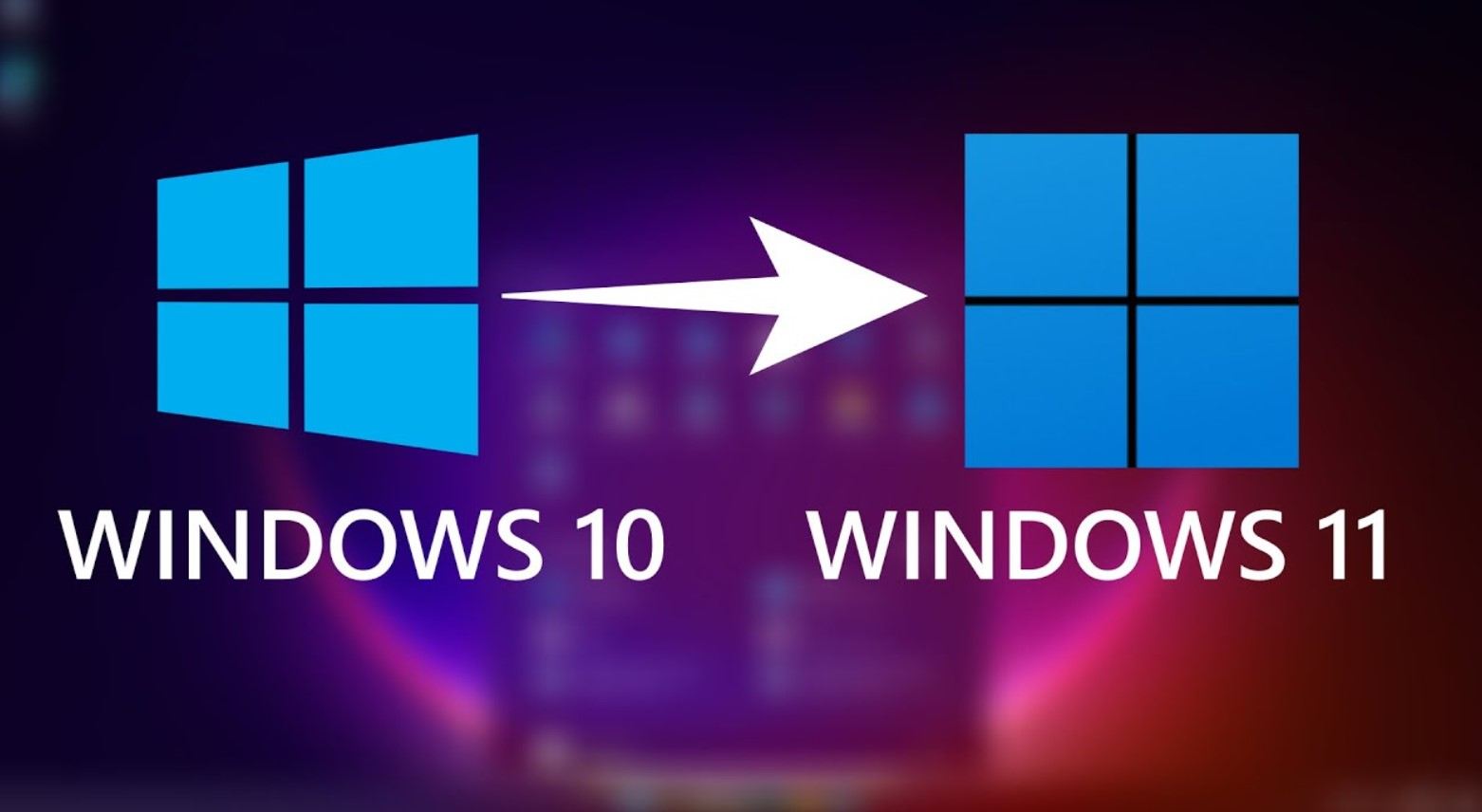
Definition of Windows 10 and Windows 11
Windows 10 is the latest operating system released by Microsoft. It is the successor to Windows 8.1 and was released in July 2015. It is the most recent version of Windows and is designed to be the most powerful, user-friendly, and secure operating system to date. Windows 10 includes a variety of new features and improvements, such as the introduction of the Cortana personal assistant, the return of the Start Menu, the Edge Web Browser, and more.
Windows 11 is the next version of Windows and is expected to be released sometime in late 2021. It is expected to be a major upgrade over Windows 10, with a wide variety of new features and improvements. Microsoft has not officially announced the features of Windows 11 yet, but many rumors have been circulating. Some suggested features include the addition of a new Start Menu, improved gaming capabilities, improved multitasking, and an improved UI. It is also expected to have more security features to protect users from malware and other threats.
Windows 10 and Windows 11 are both powerful and user-friendly operating systems. They both offer a variety of features and improvements, but Windows 11 is expected to be a major upgrade over Windows 10. With its expected features, Windows 11 will be a great choice for users looking for the latest and greatest in operating systems.
2. What’s new in Windows 11? Overview of the new features offered in the upgrade
Microsoft recently announced the upcoming release of Windows 11, the latest version of their popular operating system. Many users are excited to see what the new version has to offer. In this blog post, we will provide an overview of the new features that Windows 11 has to offer.
First and foremost, Windows 11 will feature a more modern design, with a new look and feel that will be both familiar and fresh. The user interface has been redesigned with a focus on simplicity, speed, and productivity. The Start menu and search box have been improved, and there is now an easy way to customize the look and feel of the OS.
Windows 11 will also feature a new security system, which will protect users from cyber threats, malicious software, and other online hazards. It will also be easier to manage and monitor security settings, and it will be easier to keep your system up to date with the latest security patches.
Another major feature of Windows 11 is the new Timeline feature, which will allow users to easily access their recent activities, files, and tasks. The new Timeline will be accessible from the Start menu and will include a search bar for quickly finding information.
The new version of Windows 11 will also feature a new Windows Store, which will allow users to find, download, and install applications with ease. The Store will also include recommendations for applications and services that can help users enhance their experience.
Finally, Windows 11 will also feature improved performance and reliability. The OS will use less RAM and CPU power, resulting in faster boot up and shutdown times, as well as improved battery life.
Overall, Windows 11 looks to be a major improvement over the previous version of Windows, with a modern design, improved security, and enhanced performance. We look forward to seeing what else Microsoft has in store for us with this upcoming version of Windows.
3. What will I lose? Discussing the changes in hardware and software requirements, compatibility issues, and potential loss of data
As technology marches forward, it is inevitable that hardware and software requirements will change. New versions of hardware, software, and operating systems are released that require an upgrade in order to stay up-to-date. This can be a major problem for those who have become accustomed to their current hardware and software, as many things might need to be changed or replaced in order to keep up with the newest technology.
The first major issue with hardware and software changes revolves around compatibility. Any hardware or software that needs to be upgraded or replaced must be compatible with the new technology. This means that any hardware and software that was designed to work with the old technology must be replaced with something that is compatible with the new. This can be a difficult and costly process, as incompatible hardware and software may need to be replaced with more expensive options.
The second major issue with hardware and software changes is the potential loss of data. As new hardware and software are released, they may not be compatible with existing data. This means that any data that was created with the old technology may not be able to be used with the new technology. In addition, any data that was backed up on older hardware or software may not be able to be restored if the new technology is incompatible. This can be a major problem for those who have important data that they need to access.
Finally, hardware and software changes may also cause problems with existing processes and applications. As new technology is released, existing processes and applications may need to be modified or replaced in order to work with the new technology. This can be a time-consuming and costly process, as existing processes and applications may need to be completely redesigned in order to work with the new technology.
The bottom line is that upgrading to new hardware and software can be a necessary but costly process. Before making any changes, it is important to consider the potential compatibility issues, loss of data, and changes to existing processes and applications that may arise. This will help to ensure that any changes are made in an informed and cost-effective manner.
4. Alternatives to Windows 11: Examining other operating systems available to those who don’t want to upgrade.
It’s no secret that Windows 11 is the newest and most advanced version of Microsoft’s flagship operating system. It offers a range of features, from the latest security updates to the latest user interface designs. But for those who don’t want to upgrade to Windows 11, there are plenty of other great operating systems available.
Linux is often the go-to alternative for those who don’t want to upgrade to Windows 11. It’s open source, meaning it’s free to use, and it’s highly customizable. Linux is also widely used in the tech world by developers, making it a great choice for those interested in programming. Plus, it’s highly secure, with no known major viruses or malware targeting Linux systems.
Another great alternative to Windows 11 is the macOS operating system. This is the operating system used by Apple’s Mac computers, and it’s known for its intuitive user interface and tight integration with other Apple products. It’s a great choice for those who are already invested in the Apple ecosystem, and it offers a range of features, from voice control to support for virtual reality.
For those who don’t want to upgrade to Windows 11 but still want the Windows experience, there’s Windows 10. This is the current version of Windows, and it still offers many of the same features as Windows 11, including the same user interface and familiar applications. Plus, you can download the same security and feature updates found in Windows 11.
Finally, there’s Chrome OS, the operating system used by Chromebooks. This is a cloud-based operating system, meaning most of its features and applications are accessed through the internet. It’s lightweight and secure, making it ideal for those who want to use their computers for basic tasks and don’t need the power of Windows 11.
So for those who don’t want to upgrade to Windows 11, there are plenty of great alternatives. Whether you’re looking for a free, customizable experience with Linux, an intuitive user interface with macOS, the familiarity of Windows 10, or a lightweight and secure experience with Chrome OS, there’s an operating system out there that’s right for you.
Each of replica rolex watches designs are unique, and the set as a whole is well-suited to any number of tastes.
1:1 perfect replica breitling watches for sale available online, and luxury replica watches with Swiss movements assure the top quality.
Here are ten things you need to know about hublot replica watches if you don’t want to get stung.
Windows 11 is the latest operating system from Microsoft, and it’s set to revolutionize the way we use our computers. With the new features and improvements, there’s no doubt that upgrading to Windows 11 will be worthwhile. But what if you’re currently using Windows 10? What will you lose if you upgrade?
The first thing you’ll lose is any customizations that you’ve made in Windows 10. This includes any themes or wallpapers you’ve changed, any apps you’ve installed, and any settings you’ve changed. Although you can easily reinstall or reconfigure them later, it’s still a hassle.
Another thing you’ll lose is compatibility with certain hardware and software. Windows 11 uses a different codebase than Windows 10, and this can cause incompatibilities with certain devices and applications. This can be a major issue if you rely on any of these devices or applications for your daily work.
You’ll also lose access to some of the features that you’ve come to rely on in Windows 10. For instance, the Windows Store won’t work with Windows 11, and neither will many of the Windows 10 apps. Some features, such as the People app, will also be removed.
You’ll also lose access to the Windows 10 version of the Edge browser. While there’s an updated version of Edge for Windows 11, it won’t include the same features as the Windows 10 version. This could be a major issue if you’re used to using the Windows 10 version of Edge.
Finally, you’ll also lose any customizations you’ve made in Windows 10. This includes any themes or wallpapers you’ve changed, any apps you’ve installed, and any settings you’ve changed. Although you can easily reinstall or reconfigure them later, it’s still a hassle.
These are just some of the things you’ll lose when upgrading to Windows 11 from Windows 10. While the new features and improvements make it worth upgrading, it’s important to be aware of the potential losses. With that in mind, you can decide if the upgrade is right for you. Good luck!……
What will I lose from Windows 10 if I upgrade to Windows 11?
One of the most important questions that people have about upgrading from Windows 10 to Windows 11 is what will they lose in the process. After all, Windows 10 has been around for quite some time and has become the standard operating system for most people. It includes a variety of features that have made it popular and useful. But, if you are considering upgrading to Windows 11, you may be wondering what you will be losing in the process.
In this blog post, we’ll explore what you will lose from Windows 10 if you upgrade to Windows 11. We’ll take a look at the key features that Windows 10 has, as well as the advantages and disadvantages of upgrading to Windows 11. We’ll also explore what you can expect to gain and lose in the process. By the end, you should have a better understanding of the pros and cons of upgrading to Windows 11 and the features you will lose if you do decide to make the switch.
To begin, let’s take a look at the key features that Windows 10 has. Windows 10 includes a variety of features that make it a great operating system. It includes a Start menu, the Cortana personal digital assistant, the Edge web browser, and a range of apps, such
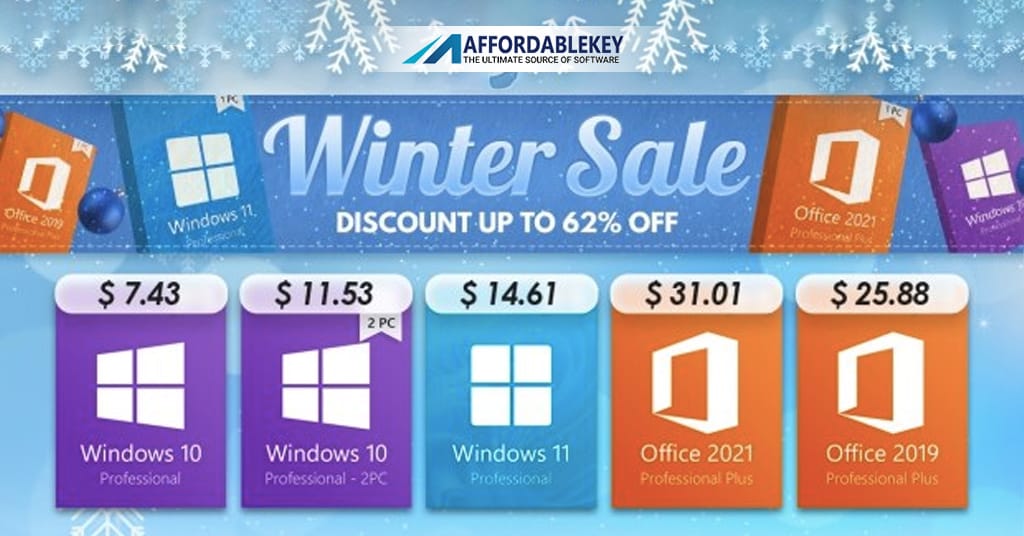
If you need and Buy any Microsoft software with 30% extra discount with a lifetime license key