









Turn On or Off Windows Features: Hidden Settings That Actually Matter

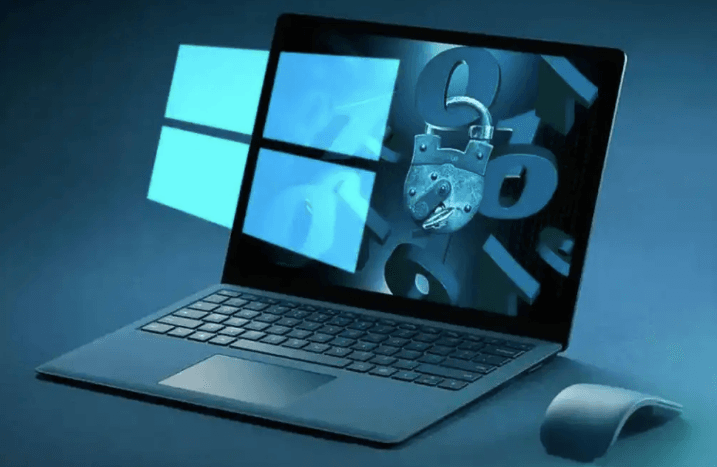
Hidden Settings That Actually Matter
Most Windows users never open the Turn On or Off Windows Features menu—and that’s a missed opportunity.
Behind this simple-looking option lies a powerful control panel that can directly impact how your PC performs, how secure it remains, and how productive your daily workflow feels. These are not third-party apps you need to install. They are built-in Windows components, already present on your system, simply waiting to be enabled
However, to access and manage these features without limitations, a properly activated and genuine Windows license is essential. Services like AffordableKey help users activate Windows legally at a budget-friendly price, ensuring full access to system features, updates, and security enhancements.
What Is “Turn On or Off Windows Features”?
This setting allows you to enable or disable core Windows components such as virtualization tools, legacy frameworks, security layers, and productivity features.
You can access it by:
-
Searching “Turn On or Off Windows Features” from the Start Menu
Most users ignore it because it looks technical. But understanding a few key options here can dramatically improve your Windows experience.
1. Virtual Machine Platform & Hyper-V
These features enable virtualization on your PC.
Turn ON if you:
-
Use virtual machines
-
Work with Docker
-
Test software in isolated environments
Turn OFF if you:
-
Never use virtual machines
-
Want slightly better performance on low-end hardware
For developers and advanced users, this is essential. For casual users, it’s unnecessary overhead.
2. Windows Subsystem for Linux (WSL)
WSL allows Linux to run directly inside Windows—no dual boot required.
Why it matters:
-
Developers can use Linux tools natively
-
Students can learn Linux without leaving Windows
-
Power users get flexibility without complexity
If you’ve never used Linux commands, you can safely leave this turned off.
3. .NET Framework (Legacy Versions)
Some older software still depends on legacy .NET versions.
Turn ON only if:
-
A specific app asks for it
-
You use old business or educational software
Keeping unnecessary legacy components disabled improves security.
4. Windows Sandbox
Windows Sandbox creates a temporary, isolated desktop environment.
Perfect for:
-
Testing unknown software
-
Opening suspicious files
-
Avoiding malware risks
Once closed, everything inside is erased. It’s one of Windows’ most underrated security tools—and most users don’t even know it exists.
5. Media Features
This includes Windows Media Player and related components.
Turn OFF if:
-
You use third-party media players
-
You want a cleaner, lighter system
Turn On or Off Windows Features Small change, but it reduces background clutter.
6. Internet Explorer Mode
Turn On or Off Windows Features Internet Explorer itself is gone, but IE Mode still exists for compatibility.
Keep it ON only if:
-
Your workplace uses legacy web apps
-
You need old browser support
Otherwise, disabling it improves security.
7. SMB File Sharing Features
Turn On or Off Windows Features These features allow file sharing over a network.
Turn ON if:
-
You share files between PCs on a local network
Turn OFF if:
-
You never use local network sharing
Unused network features can be unnecessary security risks.
Why Most Users Should Care
Turning Windows features on or off is not about “breaking” your PC—it’s about customizing Windows to fit how you actually use it.
When unused features stay enabled:
-
Performance can suffer
-
Security risks increase
-
System complexity grows
When you enable the right ones:
-
Productivity improves
-
Advanced tools unlock
-
Windows feels more intentional
Final Thoughts
Windows is powerful, but it doesn’t explain itself well.
Turn On or Off Windows Features menu hides some of the most important controls in the operating system. You don’t need to enable everything—just the features that align with your needs.
Frequently Asked Questions (FAQs)
1. What is “Turn On or Off Windows Features”?
It is a built-in Windows settings panel that allows users to enable or disable core system features such as virtualization tools, legacy frameworks, security components, and advanced utilities.
2. Do I need to activate Windows to use all features?
Yes. While some features are accessible without activation, many advanced options require a fully activated Windows version. Using a genuine license ensures smooth functionality and access to all system tools.
3. Why should I consider AffordableKey for Windows activation?
AffordableKey provides genuine Windows and Microsoft product keys at affordable prices, making it easier for users to activate Windows legally without paying premium retail costs.
4. Is it safe to Turn On or Off Windows Features?
Yes. Windows is designed to safely handle these changes. If a feature is no longer needed, it can be turned off again without harming the system.
5. Can enabling too many features slow down my PC?
Yes. Enabling unnecessary features—especially virtualization or legacy components—can slightly impact performance. It’s best to enable only what you actually need.
6. Are these features available in both Windows 10 and Windows 11?
Most of these features are available in both versions, though their names or locations may vary slightly depending on the Windows build.
7. Who should use advanced Windows features?
Advanced features are ideal for developers, IT professionals, and power users, but regular users can also benefit by enabling productivity and security-related options.

![[11.11 Offer]Buy Windows 11 key & Office 2021 key](https://affordablekey.com/wp-content/uploads/2023/11/Affordablekey-91.jpg)