









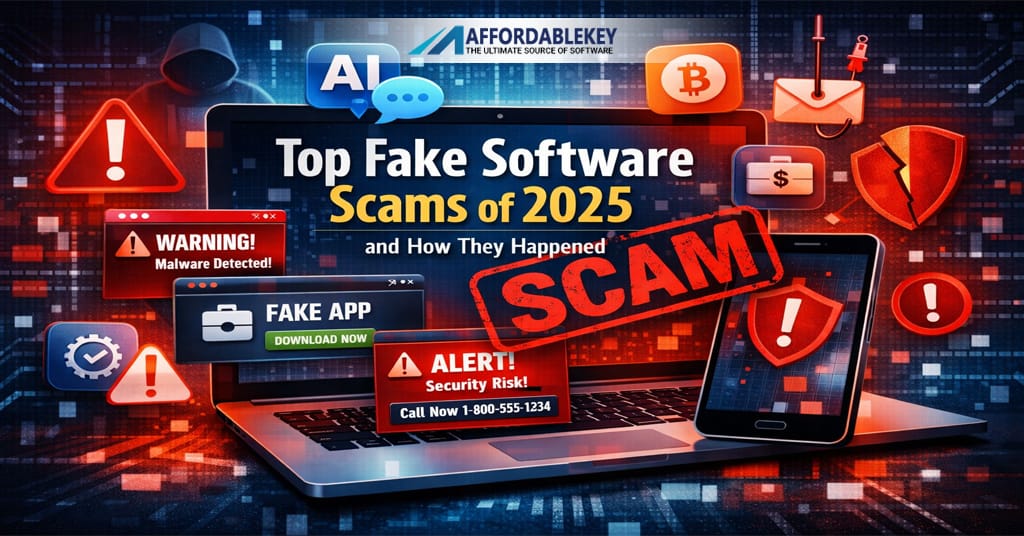
Top Fake Software Scams of 2025 and How They Happened

Scam #4 – Subscription Billing Scams in Software
This scam had a sneaky model. Many thought they were trying new apps. But they signed up for hidden charges. This made it one of the Top Fake Software Scams in 2025.
It began with a “Free Trial”. The website looked clean. The tool promised top features for free.
Users added their card “for future billing”. No big deal, they thought. But the charges started quickly.
Small amounts deducted weekly. Many didn’t notice at first. Some lost big over time.
When users tried to cancel, customer service ignored them. Or asked for more payments. Some services even charged cancellation fees.
Many users lost hundreds over months. All from a so-called free app. They were charged for features they never used.
The scam worked by hiding terms. Everything was in fine print. And hard to notice.
Apps like file cleaners, VPNs, and grammar tools used such tricks. Some were downloadable. Others were only web-based scam tools.
This made the scam dangerous. People only realized after seeing their bank statements.
Among the Top Fake Software Scams, this one caused high monetary loss. And the worst trust issues.
Use prepaid cards for trials. Or avoid free trials asking for card info. Read reviews before signing up. This prevents getting locked into fake charges.
Scam #5 – Fake Updates for Popular Apps
Each year, many users fall for fake updates. And 2025 was no different. That’s why this made it to the Top Fake Software Scams of the year.
Fake alerts popped up on browsers. They claimed your software was outdated. Users thought the message was true. But it was all fake.
When they clicked, a file began to download. It either installed adware or even worse – spyware.
Sometimes, the update asked for admin access. That caused full device control loss. Hackers could now see everything.
This scam worked fast. It fooled people who didn’t update often. Or those using cracked software.
Browsers like Chrome and media players were common targets. Instead of updating, users installed danger.
The design of these fake popups matched real ones. So it was hard to spot the lie.
The damage caused was massive. Users had to reset their devices. Some lost their data for good.
To stay safe, enable auto-updates only. Don’t trust site popups that tell you to update.
Go to the app settings and check for updates yourself. That’s the real way. And it keeps you safe.
This is how one of the Top Fake Software Scams took so many victims.
Scam #6 – Mobile App Store Scam Software
In 2025, mobile phones became scam targets. App stores once trusted became risk zones. That’s why this scam made the Top Fake Software Scams list easily.
Millions downloaded apps from official app stores. But not all those apps were real. Some passed store rules. Others slipped through loopholes.
Fake apps had real names. They copied trending apps perfectly. Their logos looked the same. And many had fake 5-star reviews too.
When people downloaded, their phone got infected. These apps collected your info in the background. Some even clicked ads secretly. That used up your data and battery.
Others asked for permissions that didn’t make sense. A flashlight app didn’t need call logs, right? But users agreed without checking.
In some worse cases, these apps stole banking logins. They showed fake login screens. Once entered, the scammers got access.
Social media app fakes rose too. They tricked users into entering passwords. Many accounts got hacked this way.
This scam worked fast and was global. That gave it a top spot among the Top Fake Software Scams of the year.
You must always check the developer’s name. Real apps have official publishers. Also, never trust unknown reviews. And never install apps from third-party sites.
With better caution, mobile users can stay safe. But scammers will keep trying.
Scam #7 – Cracked Software Loaded With Malware
Cracked software scams peaked in 2025. Many thought they were saving money. But they paid with data instead. That’s why this became one of the Top Fake Software Scams.
Cracked tools offered expensive software for free. Think Photoshop, AutoCAD, or Windows itself. You downloaded it from shady websites.
The file came zipped. Users had to disable antivirus first to install. That’s when the real trap started.
The cracked software had malware inside. Once opened, it hijacked settings. It installed spyware or cryptominers silently.
Some even created hidden accounts on your PC. They let outside users control it remotely.
Others tracked keyboard activity. This gave scammers passwords, bank logins, and even two-factor entries.
Fake product activators were common. They claimed to “unlock” the software. But they opened backdoors on your system.
Once you tried to delete the file, it stayed. Some cases needed a full OS reset.
These scams fooled gamers and freelancers the most. All because the real software was costly.
That’s why cracked software scams earned a key spot in our Top Fake Software Scams list.
To avoid this, don’t trust torrents or unknown sites. Invest in trusted keys from licensed sources like AffordableKey. It’s safe, verified, and super affordable.
Remember, the real cost of free cracked files is always higher. Think twice. Don’t risk it.
Scam #8 – Browser Extension Scams
Browser extensions made life easy. But in 2025, they also made scams easier. That’s why they earned a spot in the Top Fake Software Scams rankings.
Users searched for blockers, note tools, or quick edits. They found simple browser plugins on stores. Many had good ratings and bold titles.
But once added, these extensions changed the game. They captured everything typed into your browser. Yes, even passwords and forms.
Some injected pop-up ads into sites. Others opened fake pages when you typed common URLs.
You thought you were going to PayPal. But it took you to phishing pages instead.
These extensions also disabled your original settings. It became harder to remove them. Some even blocked antivirus websites.
Many victims thought they downloaded safe tools. But behind the scenes, damage kept growing.
Browser extension scams are smart. They hide in small code. That’s why they sneaked into the market easily.
Of all the Top Fake Software Scams, this one hit millions silently. All through a small, light browser plugin.
To avoid it, never install unknown extensions. Read reviews with care. Check required permissions. Most tools don’t need access to every site.
If an extension asks too much, skip it. Safe browsing starts with smart choices.
Scam #9 – AI Tool Scams Using Deep Fakes
AI tools boomed in 2025. So did AI scams. That’s how this became one of the Top Fake Software Scams this year.
It started with a simple idea. Scammers created deepfake AI tool ads. They showed fake demos using celebrities or real influencers.
One such app claimed it could turn text into voice instantly. Another offered free video editing with AI.
The download link led to fake AI software pages. These looked professional. But they asked for a sign-up and credit card.
Once submitted, you got a dummy app. Nothing worked. But your info was gone. Scammers sold your data or used it themselves.
Some fake AI tools used deep fake audio. They sent voice commands as bank support. Others made support chats look real.
The scam got smarter due to AI faces and voices. That’s what made it a powerful member of the Top Fake Software Scams family.
Even in business use, fake AI tools caused loss. People used fake bots for work tasks. In the end, files got stolen or systems froze.
Avoid AI tools without real company info. AI is powerful. But it needs caution. Always verify before downloading anything.
If it feels off or too magical—it probably is.
Scam #10 – Fake License Key Shops
In 2025, more folks bought digital licenses. That gave rise to fake license key shops. This scam earns its place in the Top Fake Software Scams easily.
Here’s how it worked. Websites offered big deals. You saw Windows 11 Pro for just $5. Or Adobe Suite for $10.
Too good to be true? Yes. But many clicked “Buy” in excitement.
They posted ads on social media and forums. Scammers used fast-checkout systems to collect cash. Some even sent fake product keys. Others sent nothing at all.
Most scam sites vanished after a few weeks. No refunds given. No support team.
Users also lost money via subscription traps. These sketchy stores charged you monthly after one purchase!
Fake reviews boosted their trust. Some users got working keys—but only once. Others got keys already in use or flagged.
Fake key sites are risky. They often hide spyware behind downloads. Some even steal payment info during checkout.
This type of fraud easily belongs on the Top Fake Software Scams list. Digital keys must come from trusted places.
If you need real, affordable software keys, try AffordableKey. It’s verified, low-cost, and customer-rated.
Avoid fly-by-night key dealers. They leave your wallet and PC exposed.
AffordableKey: A Safe Software Key Source
In a world full of fake apps, there’s one safe option. Meet AffordableKey. It helps users avoid the Top Fake Software Scams out there.
This site offers genuine software keys. At prices that make sense. No scams. No shady downloads. Just verified sellers.
You can get keys for Windows, Office, and more. The platform uses secure payment systems. And every key is tested.
What makes it stand out? Clear refund policies and prompt support. They care about real users. They stop scammers from taking over.
In 2025, AffordableKey became a preferred choice. That’s because many users wanted safe software. Without paying full price.
You no longer need to risk cracked tools. Or visit untrusted key shops. AffordableKey gives you peace of mind.
They even update their site for new releases. And always inform you if a product changes.
Want to stay clear from the Top Fake Software Scams? Choose genuine platforms. Save money and stay legal too.
Start smart. Choose trusted over shady.
Conclusion and Final Words
Now you know the Top Fake Software Scams of 2025. From cracked files to fake antivirus, scammers tried it all. Digital crime grew fast this year. Many fell into traps cleverly designed to trick users of all levels.
Remember, all scams had one goal—steal your money, time, or data. Some used fake license shops. Others made fake updates. And many targeted mobile users. These fake tools worked because they looked real.
Awareness is the first form of defense. Always ask these questions: Does the app look too good to be true? Is the site new or unverified? Do they ask for money first with no clear return?
Also, do your research. Use antivirus software regularly. Read real user reviews before downloads. And never click on random ad links or unknown emails Top Fake Software Scams.
Often, saving a few dollars by using cracked or suspicious tools costs you more. You lose your privacy. Your system gets harmed. And sometimes, your identity is stolen.
We recommend trusted sources only. Platforms like AffordableKey help you avoid risk. You get genuine licenses. At honest prices. That’s how you stay safe.
2026 is around the corner. Scammers won’t stop. But with knowledge, you can defeat their tricks. Share this guide. Help your friends stay alert too.
Avoid the Top Fake Software Scams – and choose secure digital living.